OMA - Handege, SL28 & SL34 Peaberry Washed | Kenya
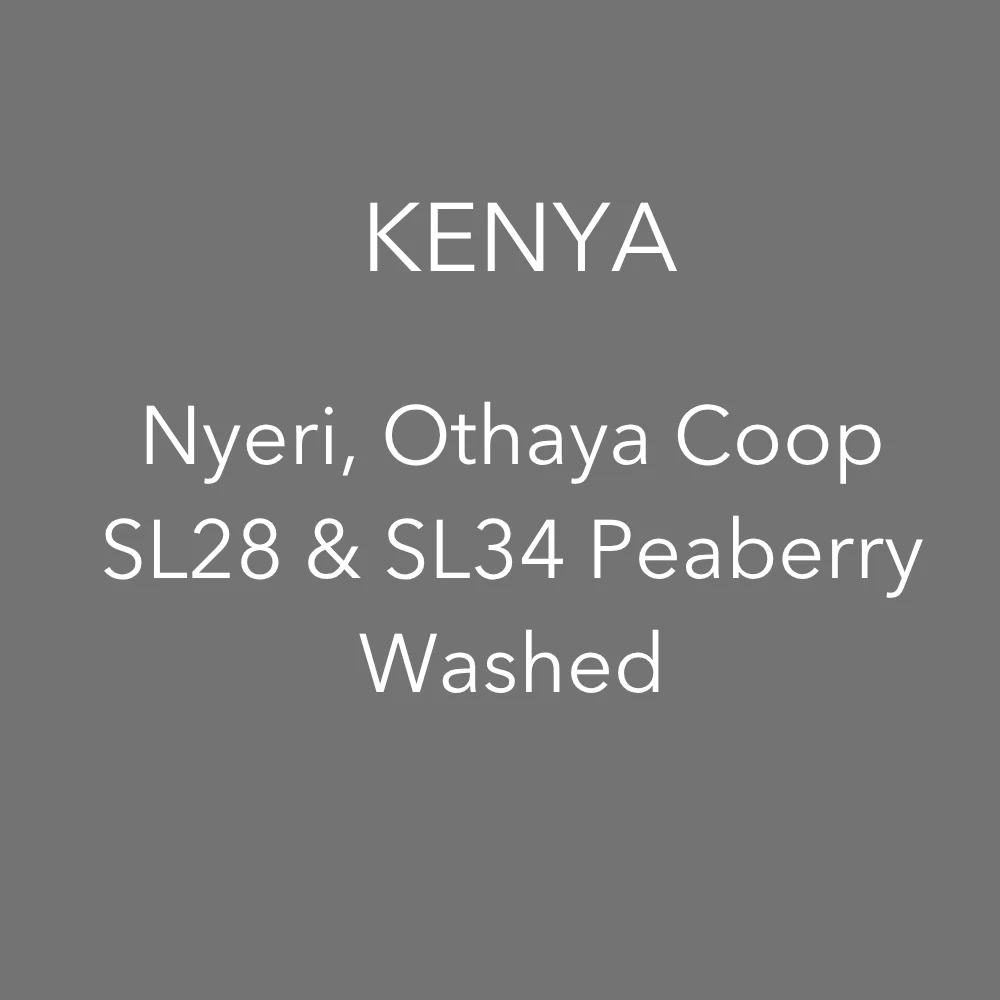
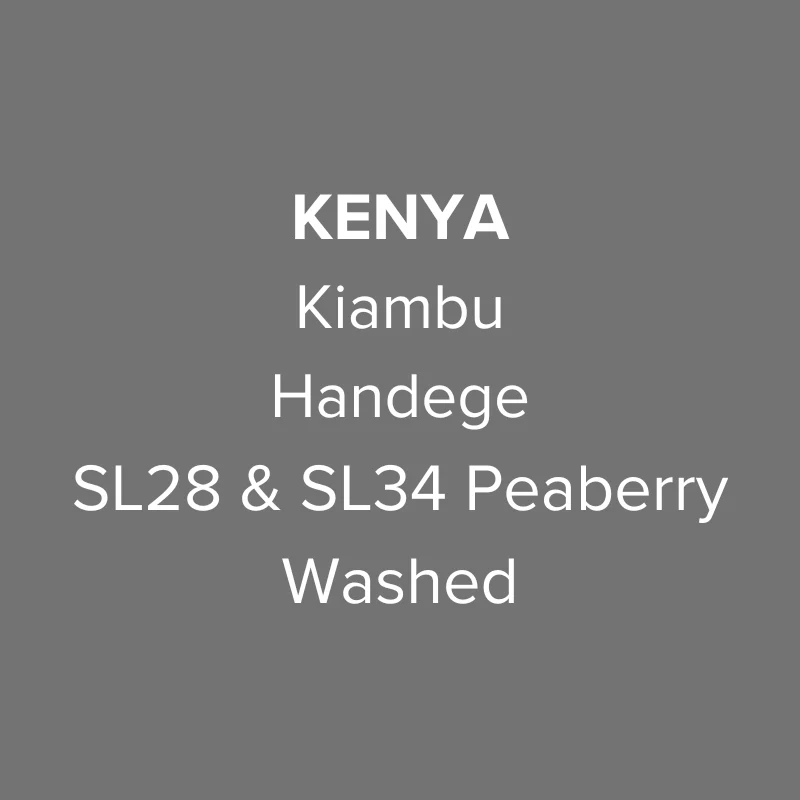
Kenya — Ritho FCS Handege Factory SL28 & SL34 Peaberry (Washed)
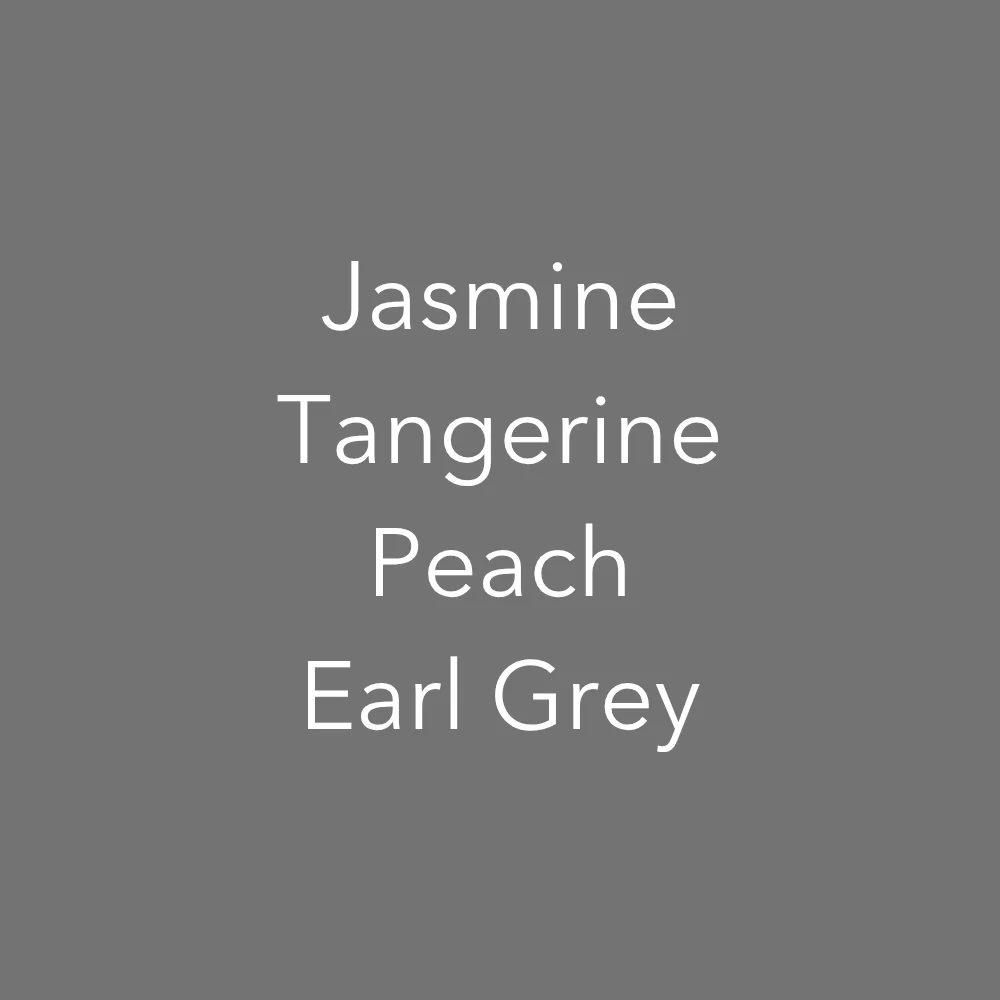
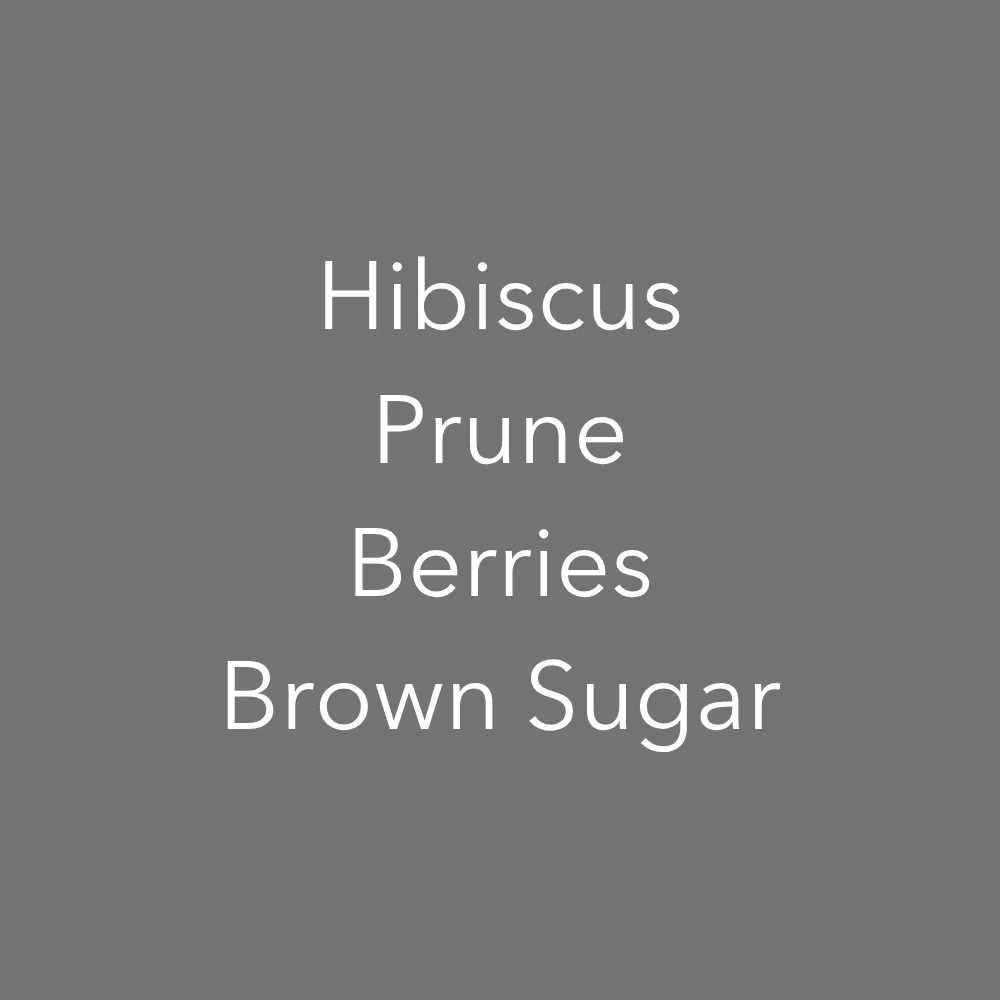
Tastes Like — 🫐 Mixed Berries • 🍊 Guava • 🍊 Tangerine • 🍑 Nectarine
DETAILS
- Producer: Ritho Farmers Cooperative Society
- Wet Mill: Handege Factory
- Region: Kiambu, Kenya
- Varietal: SL28 & SL34
- Process: Washed
- Altitude: 1,600–1,800 MASL
- Harvest: 2026
- Size: 150g
INTRO
This peaberry selection from Handege Factory in Kiambu is a brilliant example of Kenya's Washed tradition done right. Grown on deep red volcanic soils at elevations between 1,600 and 1,800 metres, the SL28 and SL34 cherries are processed at one of the region's most respected wet mills — the Handege Factory, operated by the Ritho Farmers Cooperative Society, which serves around 1,000 smallholder farmers in the surrounding highlands.
The name Handege derives from the Swahili word ndege, meaning aeroplane — a nod to the elevated setting and aspirational quality the factory has long pursued. With an annual production of around 150 metric tonnes and access to fresh water from the Gatamaiyu River, the mill runs a meticulous dual-stage fermentation process that consistently yields coffees of exceptional clarity and vibrancy.
THE PRODUCER
Kiambu County sits in Kenya's central highlands, just north of Nairobi, and is historically one of the most celebrated coffee-growing regions in the country. Its high elevations, rich volcanic soils, and cool climate create ideal conditions for Arabica to develop slowly, building the complex sugars and lively acidity that define the best Kenyan coffees.
The Ritho Farmers Cooperative Society brings together smallholder farmers across the Kiambu highlands, collectively producing a range of grades at the Handege Factory. The cooperative's structured approach to cultivation — following Kenya's established best practices for pruning, fertilisation, and cherry selection — ensures consistency across the mill's output. Only the ripest cherries are accepted, then processed through the factory's traditional Washed method on the same day as picking.
THE PROCESS
The Washed process at Handege Factory involves:
- 🍒 Cherry sorting — Incoming cherries are rigorously sorted to remove any damaged, unripe, or low-density fruit
- 🔧 Pulping — Cherries are pulped to remove the fruit skin, leaving mucilage-coated parchment
- 🧪 Dual-stage fermentation — Parchment undergoes two stages of fermentation using fresh water drawn from the Gatamaiyu River
- 💧 Washing — Coffee is thoroughly washed to remove all remaining fermentation residue
- ☀️ Raised-bed drying — Washed parchment is dried slowly on traditional African raised drying beds
This careful, traditional process results in the clean, vibrant cup that Kenyan Washed coffees are celebrated for worldwide.
THE CUP
A bright, juicy Kenyan peaberry with layers of mixed berry fruit, ripe guava, and fresh tangerine. The SL28 and SL34 genetics shine through with characteristically vivid acidity and a clean, refreshing finish underscored by ripe nectarine sweetness.
Flavour Notes
- 🫐 Mixed Berries
- 🍊 Guava
- 🍊 Tangerine
- 🍑 Nectarine
OMA - Handege, SL28 & SL34 Peaberry Washed | Kenya
Kenya — Ritho FCS Handege Factory SL28 & SL34 Peaberry (Washed)
Tastes Like — 🫐 Mixed Berries • 🍊 Guava • 🍊 Tangerine • 🍑 Nectarine
DETAILS
- Producer: Ritho Farmers Cooperative Society
- Wet Mill: Handege Factory
- Region: Kiambu, Kenya
- Varietal: SL28 & SL34
- Process: Washed
- Altitude: 1,600–1,800 MASL
- Harvest: 2026
- Size: 150g
INTRO
This peaberry selection from Handege Factory in Kiambu is a brilliant example of Kenya's Washed tradition done right. Grown on deep red volcanic soils at elevations between 1,600 and 1,800 metres, the SL28 and SL34 cherries are processed at one of the region's most respected wet mills — the Handege Factory, operated by the Ritho Farmers Cooperative Society, which serves around 1,000 smallholder farmers in the surrounding highlands.
The name Handege derives from the Swahili word ndege, meaning aeroplane — a nod to the elevated setting and aspirational quality the factory has long pursued. With an annual production of around 150 metric tonnes and access to fresh water from the Gatamaiyu River, the mill runs a meticulous dual-stage fermentation process that consistently yields coffees of exceptional clarity and vibrancy.
THE PRODUCER
Kiambu County sits in Kenya's central highlands, just north of Nairobi, and is historically one of the most celebrated coffee-growing regions in the country. Its high elevations, rich volcanic soils, and cool climate create ideal conditions for Arabica to develop slowly, building the complex sugars and lively acidity that define the best Kenyan coffees.
The Ritho Farmers Cooperative Society brings together smallholder farmers across the Kiambu highlands, collectively producing a range of grades at the Handege Factory. The cooperative's structured approach to cultivation — following Kenya's established best practices for pruning, fertilisation, and cherry selection — ensures consistency across the mill's output. Only the ripest cherries are accepted, then processed through the factory's traditional Washed method on the same day as picking.
THE PROCESS
The Washed process at Handege Factory involves:
- 🍒 Cherry sorting — Incoming cherries are rigorously sorted to remove any damaged, unripe, or low-density fruit
- 🔧 Pulping — Cherries are pulped to remove the fruit skin, leaving mucilage-coated parchment
- 🧪 Dual-stage fermentation — Parchment undergoes two stages of fermentation using fresh water drawn from the Gatamaiyu River
- 💧 Washing — Coffee is thoroughly washed to remove all remaining fermentation residue
- ☀️ Raised-bed drying — Washed parchment is dried slowly on traditional African raised drying beds
This careful, traditional process results in the clean, vibrant cup that Kenyan Washed coffees are celebrated for worldwide.
THE CUP
A bright, juicy Kenyan peaberry with layers of mixed berry fruit, ripe guava, and fresh tangerine. The SL28 and SL34 genetics shine through with characteristically vivid acidity and a clean, refreshing finish underscored by ripe nectarine sweetness.
Flavour Notes
- 🫐 Mixed Berries
- 🍊 Guava
- 🍊 Tangerine
- 🍑 Nectarine
Product Information
Product Information
Shipping & Returns
Shipping & Returns
Description
Kenya — Ritho FCS Handege Factory SL28 & SL34 Peaberry (Washed)
Tastes Like — 🫐 Mixed Berries • 🍊 Guava • 🍊 Tangerine • 🍑 Nectarine
DETAILS
- Producer: Ritho Farmers Cooperative Society
- Wet Mill: Handege Factory
- Region: Kiambu, Kenya
- Varietal: SL28 & SL34
- Process: Washed
- Altitude: 1,600–1,800 MASL
- Harvest: 2026
- Size: 150g
INTRO
This peaberry selection from Handege Factory in Kiambu is a brilliant example of Kenya's Washed tradition done right. Grown on deep red volcanic soils at elevations between 1,600 and 1,800 metres, the SL28 and SL34 cherries are processed at one of the region's most respected wet mills — the Handege Factory, operated by the Ritho Farmers Cooperative Society, which serves around 1,000 smallholder farmers in the surrounding highlands.
The name Handege derives from the Swahili word ndege, meaning aeroplane — a nod to the elevated setting and aspirational quality the factory has long pursued. With an annual production of around 150 metric tonnes and access to fresh water from the Gatamaiyu River, the mill runs a meticulous dual-stage fermentation process that consistently yields coffees of exceptional clarity and vibrancy.
THE PRODUCER
Kiambu County sits in Kenya's central highlands, just north of Nairobi, and is historically one of the most celebrated coffee-growing regions in the country. Its high elevations, rich volcanic soils, and cool climate create ideal conditions for Arabica to develop slowly, building the complex sugars and lively acidity that define the best Kenyan coffees.
The Ritho Farmers Cooperative Society brings together smallholder farmers across the Kiambu highlands, collectively producing a range of grades at the Handege Factory. The cooperative's structured approach to cultivation — following Kenya's established best practices for pruning, fertilisation, and cherry selection — ensures consistency across the mill's output. Only the ripest cherries are accepted, then processed through the factory's traditional Washed method on the same day as picking.
THE PROCESS
The Washed process at Handege Factory involves:
- 🍒 Cherry sorting — Incoming cherries are rigorously sorted to remove any damaged, unripe, or low-density fruit
- 🔧 Pulping — Cherries are pulped to remove the fruit skin, leaving mucilage-coated parchment
- 🧪 Dual-stage fermentation — Parchment undergoes two stages of fermentation using fresh water drawn from the Gatamaiyu River
- 💧 Washing — Coffee is thoroughly washed to remove all remaining fermentation residue
- ☀️ Raised-bed drying — Washed parchment is dried slowly on traditional African raised drying beds
This careful, traditional process results in the clean, vibrant cup that Kenyan Washed coffees are celebrated for worldwide.
THE CUP
A bright, juicy Kenyan peaberry with layers of mixed berry fruit, ripe guava, and fresh tangerine. The SL28 and SL34 genetics shine through with characteristically vivid acidity and a clean, refreshing finish underscored by ripe nectarine sweetness.
Flavour Notes
- 🫐 Mixed Berries
- 🍊 Guava
- 🍊 Tangerine
- 🍑 Nectarine